
Six Sigma Yellow Belt certification stands out as a valuable asset for professionals seeking to drive process improvements and enhance operational efficiency. The Yellow Belt test, however, presents a challenge for many, with its rigorous content and demanding format. This article, tailored for belt test prep, offers an in-depth guide to navigate these requirements and prerequisites. We'll explore proven strategies for successful certification, from understanding the exam structure and identifying key study resources, to mastering practical application and industry-specific case studies. By examining these aspects, you'll gain the confidence to excel in your Six Sigma Yellow Belt test prep and achieve your potential as a skilled process improvement specialist.
- Understanding Yellow Belt Role and Responsibilities
- Essential Skills for Six Sigma Yellow Belt Test Prep
- Educational Pathways to Yellow Belt Certification
- Mastering Six Sigma Tools for Data Analysis
- Preparing for the Yellow Belt Exam: Top Strategies
- Career Benefits and Industry Applications of Yellow Belt
Understanding Yellow Belt Role and Responsibilities

The Yellow Belt role is a crucial entry point into the Six Sigma methodology, serving as a bridge between operational staff and the more advanced Green Belt and Black Belt levels. Understanding the responsibilities of a Yellow Belt is essential for anyone preparing for the Six Sigma Yellow Belt Test. These professionals are tasked with identifying and documenting processes, collecting and analyzing data, and participating in continuous improvement projects. They act as a liaison between the business and the Six Sigma initiative, bridging the gap between theory and practice.
A key responsibility of Yellow Belts is fix mistakes in data analysis for Six Sigma. They must be adept at interpreting data, identifying outliers, and understanding control charts. Online tutorials and practice platforms dedicated to Six Sigma Yellow Belt Test Prep can help hone these skills. Mastering statistical concepts like mean, median, mode, and standard deviation is crucial. Yellow Belts should also be comfortable using tools like Excel or other data analysis software to create charts and perform basic analyses.
Yellow Belts often lead or participate in cross-functional teams tasked with improving specific business processes. This hands-on experience is invaluable. Yellow belt training programs online offer structured learning paths to prepare for both the knowledge and application aspects of the certification. Through case studies and real-world scenarios, these programs simulate the collaborative problem-solving environment of a Six Sigma project. Remember, the goal is not just to pass the test, but to gain practical skills that can be applied directly to your organization.
Understanding the scope and limitations of the Yellow Belt role is also crucial. While they contribute significantly to Six Sigma projects, their focus is on the initial data collection, analysis, and documentation stages. They don't typically lead full projects or make final decisions. However, their contributions are vital, as they ensure the data-driven nature of Six Sigma and lay the groundwork for more complex improvement initiatives. By mastering Six Sigma statistics for tests, understanding control limits, and learning to document process improvements, you'll be well on your way to excelling as a Six Sigma Yellow Belt.
Essential Skills for Six Sigma Yellow Belt Test Prep

Getting certified as a Six Sigma Yellow Belt requires a solid understanding of fundamental skills and concepts. The Six Sigma Yellow Belt exam assesses your ability to apply Six Sigma principles in real-world scenarios, primarily within project management and process improvement. A successful candidate demonstrates proficiency in data analysis, process mapping, and problem-solving. You'll be expected to identify and rectify common errors in process mapping, a skill that is crucial for accurately representing business processes and ensuring the effectiveness of Six Sigma projects.
How to pass the Six Sigma Yellow Belt test is not merely about memorizing definitions; it's about mastering practical applications. Understanding control charts for quality management is essential, as they help in monitoring and controlling process variability. Candidates must be adept at using data analysis techniques, such as statistical process control, to make informed decisions and drive continuous improvement. Six Sigma project management basics, including defining, measuring, analyzing, improving, and controlling (DMAIC) phases, should be second nature. These skills are honed through hands-on experience, practice, and a deep examine available study resources.
Six Sigma Yellow Belt Test Prep involves a strategic approach. Utilizing online tutorials, joining study groups, and leveraging open-source repositories can significantly enhance your preparation. Engaging with these resources not only provides access to a wealth of information but also allows you to connect with fellow learners and industry experts. Remember, the key to success is a combination of theoretical knowledge and practical application. By focusing on these essential skills and utilizing the right tools, you'll be well-prepared to tackle the Six Sigma Yellow Belt exam with confidence.
Educational Pathways to Yellow Belt Certification
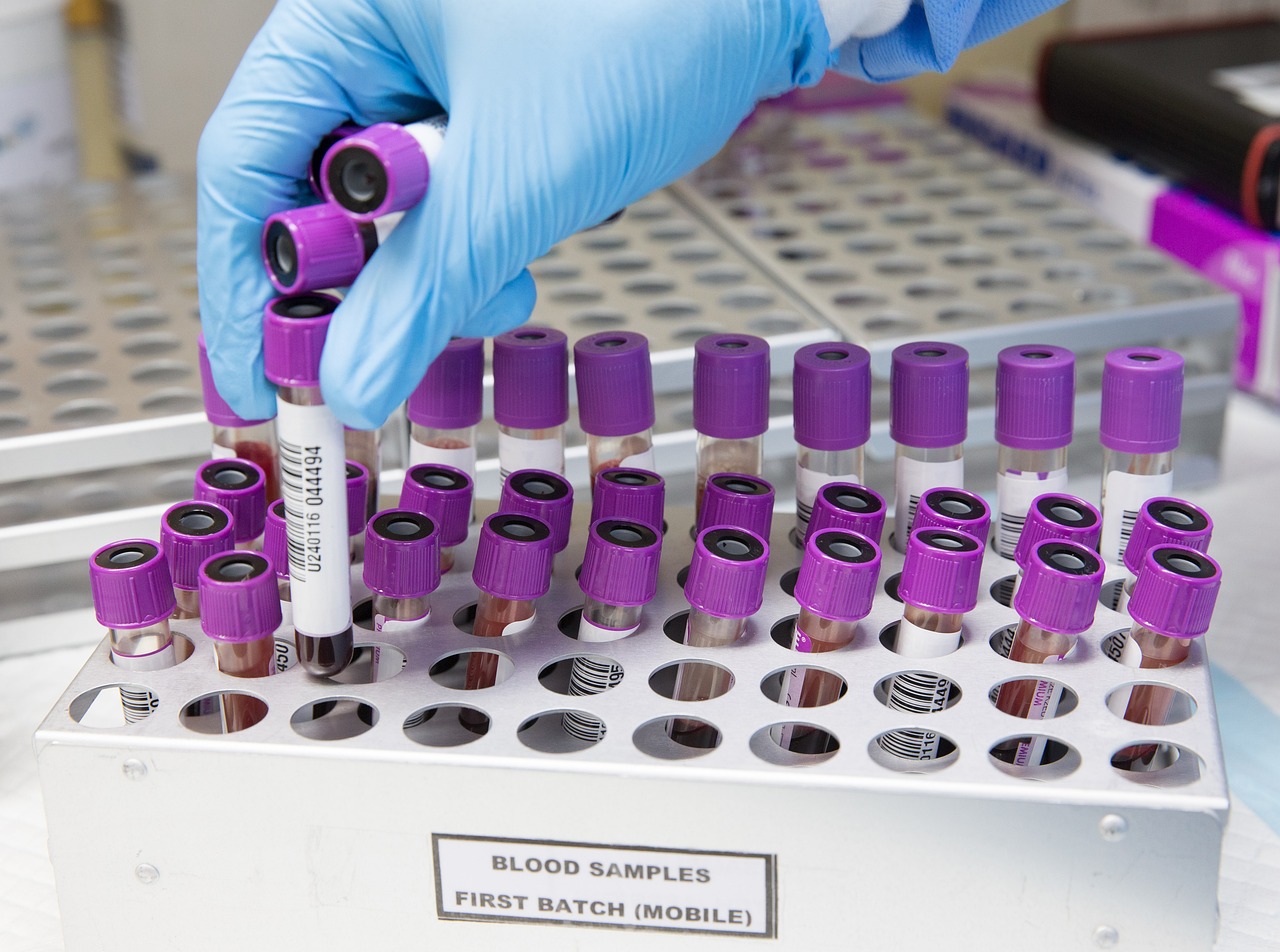
Educational Pathways to Six Sigma Yellow Belt Certification
Earning a Six Sigma Yellow Belt certification involves a structured educational journey that equips individuals with the tools to drive process improvement initiatives. The path to certification can vary depending on your current knowledge, professional background, and the specific requirements of the exam institute. Many aspiring Yellow Belts begin their journey with a foundational understanding of Six Sigma principles, often through introductory courses or self-study materials. These resources provide a solid grasp of the core concepts, such as defining problems, identifying root causes, and implementing data-driven solutions. Online tutorials and repositories offer structured modules that guide learners through these fundamentals, preparing them for the more advanced aspects of the certification.
As the name suggests, the Yellow Belt level requires a practical application of Six Sigma techniques, often in a real-world project setting. This hands-on experience is crucial for mastering the methodology. Many professionals choose to enroll in accredited training centers, where they learn from industry experts and engage in collaborative projects. These centers provide a supportive environment to refine data analysis skills, learn from peers, and troubleshoot data collection methods. For those new to Six Sigma, starting with a beginner-friendly training program is essential for building a strong foundation. These programs often include a mix of theoretical knowledge and practical exercises, ensuring a well-rounded learning experience.
To optimize your Six Sigma Yellow Belt Test Prep, consider joining study groups or online forums where you can discuss challenging concepts and share insights with fellow learners. These communities offer valuable peer support, which can be particularly helpful when navigating complex case studies. Many professional associations provide resources and guidance tailored to the certification process. Engaging with these organizations can offer further insights into industry-specific applications of Six Sigma, as well as networking opportunities with seasoned practitioners. Remember, successful preparation involves a combination of structured learning, hands-on practice, and community engagement. Visit us at yellow belt training programs online anytime to explore the diverse options available and take the first step towards becoming a certified Six Sigma Yellow Belt.
Mastering Six Sigma Tools for Data Analysis

Mastering Six Sigma Tools for Data Analysis
For aspiring Yellow Belts, understanding and applying Six Sigma principles is key to success on the test and in real-world scenarios. This involves a deep examine data analysis tools that are the backbone of Six Sigma projects. The goal is not just to recognize the tools but to know how to use them effectively for problem-solving. Consider the following:
First, process improvement techniques like data collection and measurement are foundational. Learn to gather accurate data, organize it meaningfully, and present it in a way that tells a story. Understanding control charts for quality management is crucial. These charts help identify trends and patterns in data, allowing you to make informed decisions and predict future outcomes. The Yellow Belt should be able to interpret these charts to identify special causes of variation and potential issues in a process.
Next, tools for successful six sigma implementation such as statistical analysis tools (e.g., hypothesis testing, confidence intervals) and process mapping software are essential. Mastering these tools enables you to analyze data, identify root causes of problems, and develop robust solutions. Knowing how to use statistical analysis to determine the validity of your hypotheses can strengthen your project's findings and recommendations.
Remember, the Six Sigma principles and benefits underpin these tools. Understanding these principles, such as Define, Measure, Analyze, Improve, and Control (DMAIC), is crucial for effective data analysis. It ensures your approach is systematic and structured. how to apply Six Sigma in healthcare-a field increasingly adopting these principles-can provide valuable case studies and real-world context for your Yellow Belt test prep.
During Six Sigma Yellow Belt Test Prep, focus on practical application. Don't just memorize tools; practice using them. Solve problems, analyze scenarios, and participate in study groups or online forums where you can discuss and share insights. This hands-on approach will solidify your understanding and prepare you for the test's data analysis sections.
Preparing for the Yellow Belt Exam: Top Strategies

Preparing for the Six Sigma Yellow Belt Exam: Top Strategies
Mastering Six Sigma statistics for tests is a cornerstone of successful Yellow Belt exam preparation. Since the exam covers statistical tools and techniques, a solid understanding of these concepts is crucial. Begin by reviewing basic statistics, such as mean, median, and standard deviation, and move on to more advanced topics like hypothesis testing and control charts. Online tutorials and practice exam platforms offer interactive exercises to reinforce your learning. Create a study plan that allocates time for each topic, ensuring you gain proficiency in all areas.
To mastering statistics, familiarizing yourself with real-world scenarios and case studies is invaluable. Six Sigma Yellow Belt exam prep strategies involve solving practical problems, which demonstrates your ability to apply Six Sigma principles. Engage in online forums or study groups to discuss case studies and share insights. This collaborative approach not only enhances learning but also prepares you for the exam's practical questions. Remember, the goal is not just to memorize facts but to develop a deep understanding that translates into effective problem-solving.
Top tips for passing the Yellow Belt exam include managing your time effectively during the test and staying calm under pressure. Practice with timed mock exams to simulate the actual conditions. Ensure you understand the exam's format, the types of questions asked, and the distribution of marks. Since the exam assesses both theoretical knowledge and practical application, balance your preparation between these areas. Allocate more time to topics with higher weightage or where you feel less confident.
Finally, consider how to apply Six Sigma in healthcare, a domain where many organizations are adopting these principles to improve patient care and operational efficiency. Understanding this practical application can enrich your study experience and provide a compelling context for your learning. Visit us at how to apply six sigma in healthcare for more insights and case studies that illustrate the power of Six Sigma methodologies in healthcare settings.
Career Benefits and Industry Applications of Yellow Belt

The Six Sigma Yellow Belt certification offers significant career advantages and is in high demand across various industries. This level of certification demonstrates a foundational understanding of Six Sigma methodology, a powerful tool for process improvement and quality management. For professionals, it opens doors to roles that require data analysis, problem-solving, and a systematic approach to enhancing business processes.
One of the key benefits is the ability to contribute to projects that drive operational excellence. Yellow Belts can actively participate in teams, applying Six Sigma tools like understanding control charts for quality management and troubleshooting data collection methods. They can identify inefficiencies, collect and analyze data, and propose actionable solutions. In a manufacturing setting, a Yellow Belt might lead a project to reduce production line downtime, improving overall equipment effectiveness. Similarly, in healthcare, they could assist in implementing Six Sigma principles to streamline patient admissions, enhancing patient satisfaction and operational efficiency.
The versatility of the Yellow Belt makes it a valuable asset in numerous jobs. From quality assurance specialists and process engineers to business analysts and project managers, many roles benefit from this certification. According to industry experts, the average completion rate for Six Sigma Yellow Belt training is impressive, indicating a high level of engagement and success among students. Successful certification can lead to increased job security and improved earning potential. Understanding Six Sigma concepts early on, through resources like online tutorials and accredited training centers, equips professionals with the tools to excel in their fields and adapt to the evolving demands of their industries.
When considering Six Sigma Yellow Belt Test Prep, aspiring professionals should explore industry-specific case studies to grasp real-world applications. Engaging with online communities and study groups can also provide valuable insights and peer support. These strategies ensure that individuals not only pass the exam but also develop a practical understanding of how Six Sigma principles translate into tangible improvements in various work environments, making them valuable assets to any organization.
Frequently Asked Questions About Yellow Belt certification requirements and prerequisites
What is a Yellow Belt in Six Sigma?
A Yellow Belt is a certified individual who has demonstrated a foundational understanding of Six Sigma methodology and tools. They support Green Belts in project execution, data analysis, and process improvement, but do not lead projects independently. Yellow Belts play a crucial role in spreading Six Sigma knowledge and driving continuous improvement within an organization.
What are the basic requirements for becoming a Yellow Belt?
To become a Yellow Belt, you need to complete a recognized Six Sigma training program, pass the Yellow Belt (or equivalent) exam, and possess the basic skills to apply Six Sigma tools to real-world problems. These skills include data collection, analysis, and interpretation, as well as process mapping and improvement.
Do I need a college degree to become a Yellow Belt?
A college degree is not a formal prerequisite for becoming a Yellow Belt. However, a strong foundation in mathematics, statistics, and problem-solving is essential. Many organizations prefer candidates with a bachelor's degree or relevant work experience, demonstrating a commitment to continuous learning and quality improvement.
What kind of work experience is needed for Yellow Belt certification?
While specific work experience is not always a strict requirement, several months of experience in a relevant field, such as manufacturing, healthcare, or service industries, is beneficial. This experience allows candidates to apply Six Sigma concepts to real-world scenarios, ensuring a deeper understanding of the methodology.
How long does it take to prepare for the Yellow Belt exam?
Preparation time varies depending on individual learning styles and prior knowledge. Most training programs offer intensive courses lasting 2-4 weeks, including both theoretical instruction and hands-on exercises. Dedicated self-study with the help of online resources and practice exams can also lead to successful completion within 3-6 months.
What are some popular resources for Yellow Belt exam preparation?
Online courses, textbooks, and practice exams from reputable organizations like ASQ (American Society for Quality) and Six Sigma Institute are valuable resources. Case studies, forums, and mentorship programs can provide real-world insights and practical tips for navigating the exam.
Are there any common mistakes candidates make during the Yellow Belt exam?
Candidates often struggle with data analysis, interpretation of control charts, and process mapping. Understanding statistical concepts and practicing data analysis techniques with real-world data sets can significantly improve performance. Misinterpreting control limits and failing to accurately map processes are common mistakes that can be avoided through thorough preparation.
Mastering the Six Sigma Yellow Belt Test Prep involves a combination of understanding your role, developing essential skills, and utilizing the right tools. By engaging in structured study pathways and employing effective exam preparation strategies, individuals can confidently navigate the certification process. The Yellow Belt role offers significant career benefits across various industries, allowing professionals to apply Six Sigma principles to solve real-world problems and improve business processes. Key takeaways include leveraging online tutorials, joining study groups, and utilizing practice exams to prepare effectively. Understanding control charts, data analysis, and control limits equips Yellow Belts to contribute meaningfully to quality management. With a solid foundation in Six Sigma concepts, practitioners can move forward, ready to make a tangible impact in their organizations and advance their careers.
The Six Sigma Yellow Belt certification equips professionals to identify and document processes, collect and analyze data, and participate in continuous improvement projects. Key responsibilities include data analysis, understanding control charts, and contributing to cross-functional teams. Effective preparation involves mastering Six Sigma statistics, practicing with case studies, and engaging in online forums. The certification opens doors to roles requiring data-driven problem-solving and process improvement, with significant career advantages across industries.